

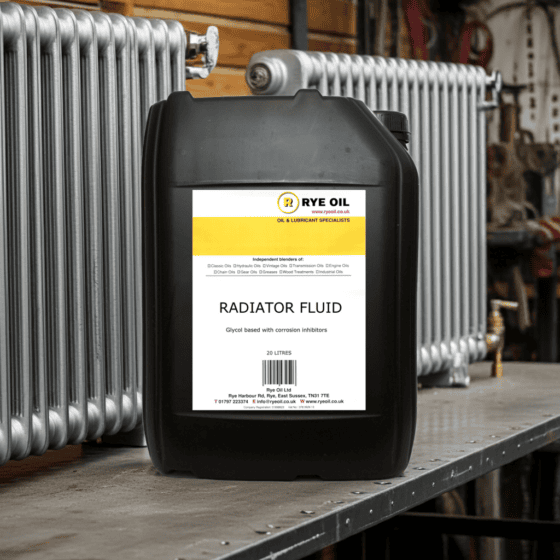

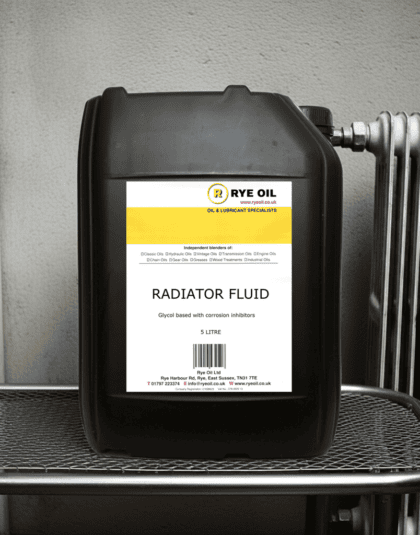

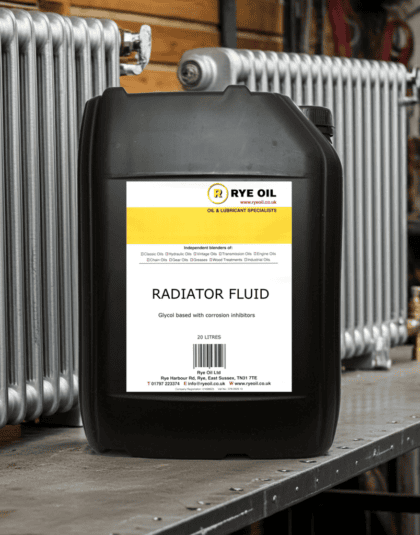
Radiator Fluid/Oil Glycol Based
Price range: £51.19 through £110.40
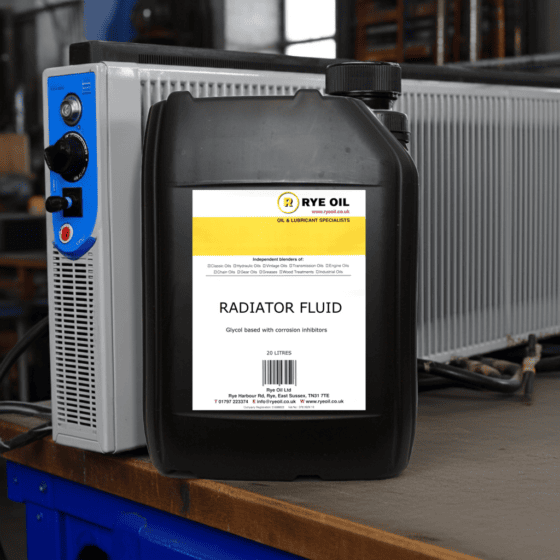
Radiator Fluid/Oil – Glycol Based. A totally safe electric radiator heat transfer fluid.
Perfect for direct element contact radiators and heat jackets for domestic and industrial use.
- Description
- Additional information
Description
Radiator Fluid/Oil – Glycol Based.
Radiator Fluid/Oil – Glycol Based is a totally safe domestic electric radiator heat transfer fluid.
Perfect for direct element contact radiators and heat jackets for domestic and industrial use.
A heat transfer fluid based on Glycol for use in a wide range of industrial, HVAC and heat recovery applications. Often used for process chilling because it is non-flammable and it offers excellent anti-corrosion protection.
Our Radiator Fluid/Oil has no flash point or auto ignition rate – non-flammable.
Need a dispensing lid that fits our 20l cans? We have you covered – Click here
Radiator Fluid/Oil – Glycol Based fluid is by far the safest solution to a domestic radiator fluid/oil.
YouTube video for changing electric radiator fluid found here
If you are looking for a mineral oil based heat transfer fluid (a lot cheaper than Glycol)~please find it here: Heat Transfer Oil
Glycol‑based fluids, in particular, exhibit superior thermal and chemical properties compared to mineral oils and, consequently, are far more suitable for a wide range of industrial applications.
Key characteristics include:
-
Radiator Fluid/Oil – Glycol Based – Thermal Stability Of Radiator Fluid
: This refers to a fluid’s resistance to irreversible changes in its physical properties at varying temperatures. Consequently, fluids with high thermal stability experience fewer degradation pathways, which in turn leads to longer service lifetimes and reduced maintenance requirements. Moreover, the determination of a fluid’s thermal stability is typically based on standardized tests such as ASTM D6743, which evaluate the degradation products formed under thermal stress.
-
Viscosity
: The viscosity of a fluid affects its flow characteristics and pumping costs. This is because lower viscosity fluids are easier to pump and circulate within a system.
-
Heat Capacity
: A fluid’s heat capacity indicates how much thermal energy it can transport and store, impacting the efficiency of the heat transfer process.
-
Thermal Conductivity and Thermal Diffusivity of Radiator Fluid
: A fluid’s heat capacity indicates how much thermal energy it can transport and store and, consequently, directly influences the overall efficiency of the heat‑transfer process.
-
Freezing and Boiling Points
: The freezing and boiling points of a Glycol based heat transfer fluid are not often met in industrial applications and never met in domestic applications.
Additional information
| Volume | 20l, 5l |
|---|