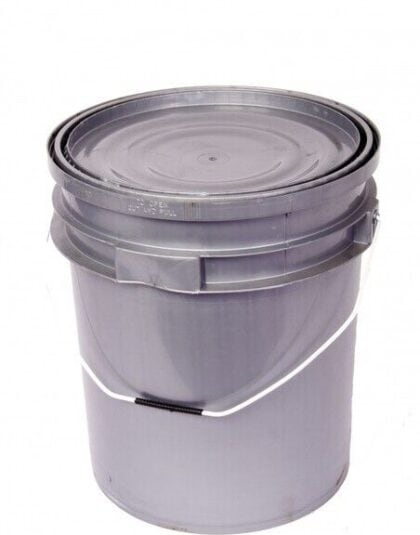


Radiator Fluid/Oil – Glycol Based
Price range: £31.99 through £69.00
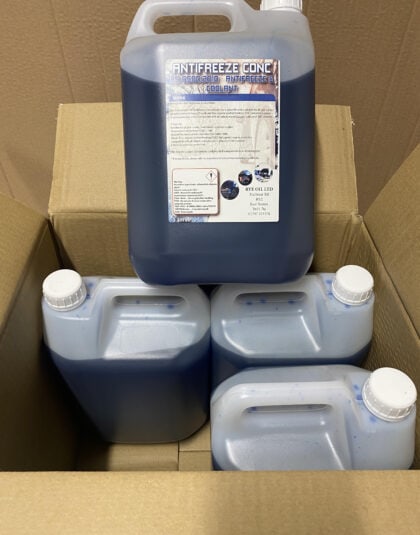
Radiator Fluid/Oil – Glycol Based. A totally safe electric radiator heat transfer fluid.
Perfect for direct element contact radiators and heat jackets for domestic and industrial use.
- Description
- Additional information
Description
Radiator Fluid/Oil – Glycol Based. A totally safe electric radiator heat transfer fluid.
Perfect for direct element contact radiators and heat jackets for domestic and industrial use.
A heat transfer fluid based on Glycol for use in a wide range of industrial, HVAC and heat recovery applications. Often used for process chilling because it is non-flammable and it offers excellent anti-corrosion protection.
No flash point or auto ignition rate – non-flammable.
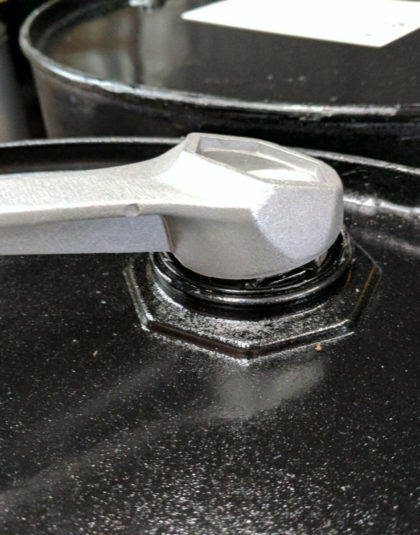
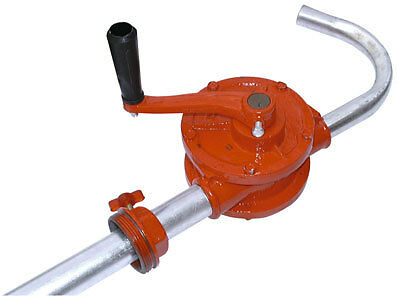
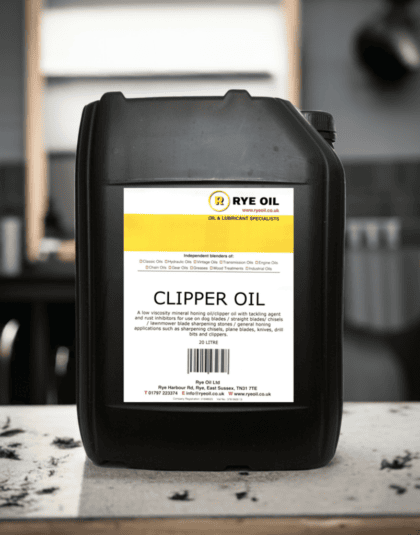
Need a dispensing lid that fits our 20l cans? We have you covered – Click here
Glycol based fluid is by far the safest solution to a radiator fluid/oil, giving the same heat spread and zero risk of combustion.
YouTube video for changing electric radiator fluid found here
If you are looking for a mineral oil based heat transfer fluid (a lot cheaper than Glycol)~please find it here: Heat Transfer Oil
Glycol based fluids have better thermal and chemical properties than a mineral oils, which determine their suitability for various industrial applications. Key characteristics include:
-
Thermal Stability
: This refers to a fluid’s resistance to irreversible changes in its physical properties at varying temperatures. Fluids with high thermal stability have fewer degradation pathways, leading to longer service lifetimes and less maintenance. Determination of a fluid’s thermal stability is often based on tests such as ASTM D6743, which assess degradation products formed under thermal stress.
-
Viscosity
: The viscosity of a fluid affects its flow characteristics and pumping costs. This is because lower viscosity fluids are easier to pump and circulate within a system.
-
Heat Capacity
: A fluid’s heat capacity indicates how much thermal energy it can transport and store, impacting the efficiency of the heat transfer process.
-
Thermal Conductivity and Thermal Diffusivity
: These properties influence the rate at which heat is transferred through the fluid. This is important because it affects how quickly a system can respond to temperature changes.
-
Corrosion Potential
: Compatibility of a heat transfer fluid with system materials is crucial because minimalizes corrosion and extend the life of the equipment.
-
Freezing and Boiling Points
: The freezing and boiling points of a Glycol based heat transfer fluid are not often met in industrial applications and never met in domestic applications.
Additional information
| Volume | 20l, 5l |
|---|